Why Creative Technologists Should Still Learn to Code in the Vibe Coding Era
As a product manager/owner, I am the prime target audience for vibe coding. Got a lot of fun, creative digital product ideas but don't have the time, money, or conviction to code them? Here let Claude make them for you in 6 minutes.
My whole skill set was basically made for prompt engineering. I know how to develop a PRD, plan out the features, provide concrete directions, iterate, test edge cases, source control, deploy, and repeat.
I know all the right terminology, technologies, UI/UX approaches, the tooling. I also have tons of experience with design and marketing, user research, and customer support.
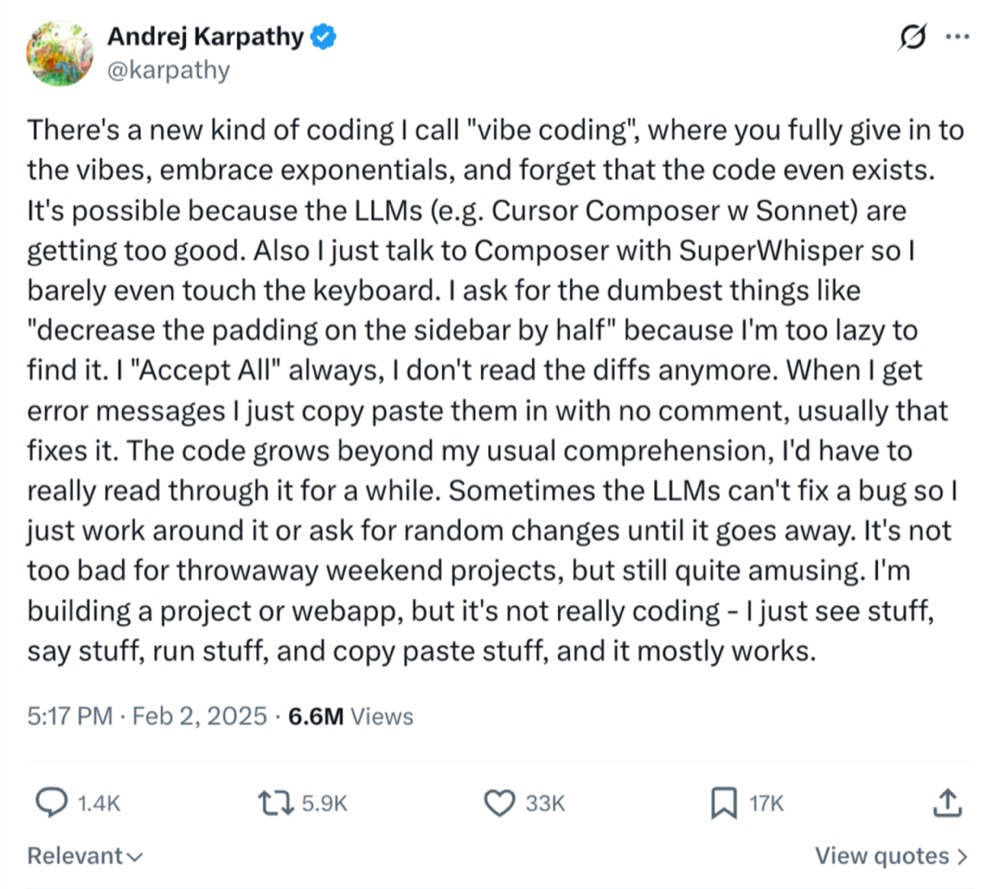
Seriously it's like vibe coding was invented for me. It's incredibly fulfilling, productive, and a blast, even if the things I vibe code are dumb quirky personal projects. I am tackling so many things I've always wanted to do but never had the time for.
Maybe one of the quirky ideas will turn into something real. Maybe not. Doesn't matter, it costs almost nothing to give it a shot. Throw it at the wall and see what sticks.
Not only do I not need to write any code, I also don't have to know a lick about coding in the first place. Neat, right?
But not writing code is very different from not knowing how to write code. This is the part of vibe coding that I strongly disagree with, the idea that no one needs to learn code anymore.
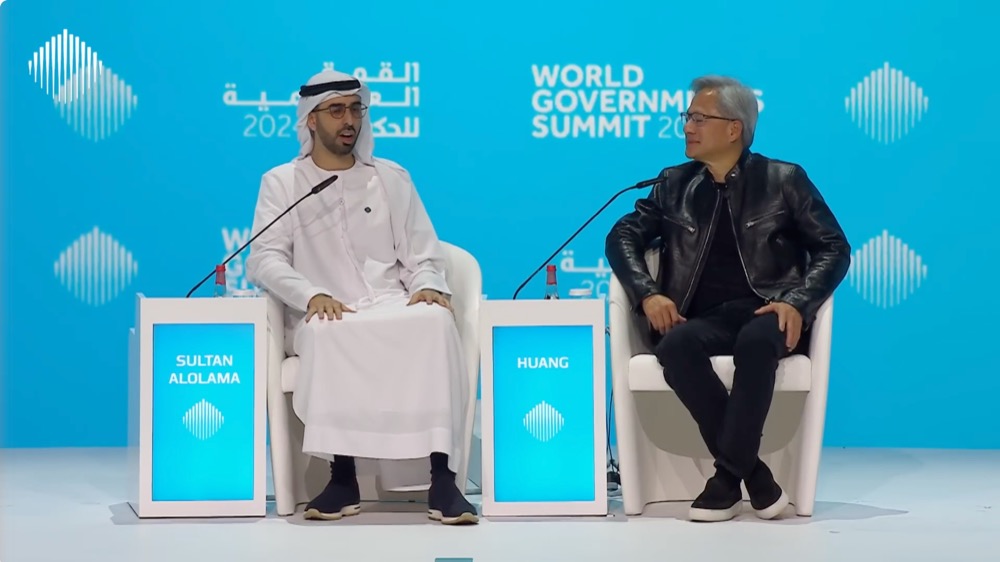
When Jensen Huang told a crowd at the World Government Summit that "nobody has to program" and that kids should stop learning to code, it sent shockwaves through the tech world. And he's not the only tech leader pushing this message.
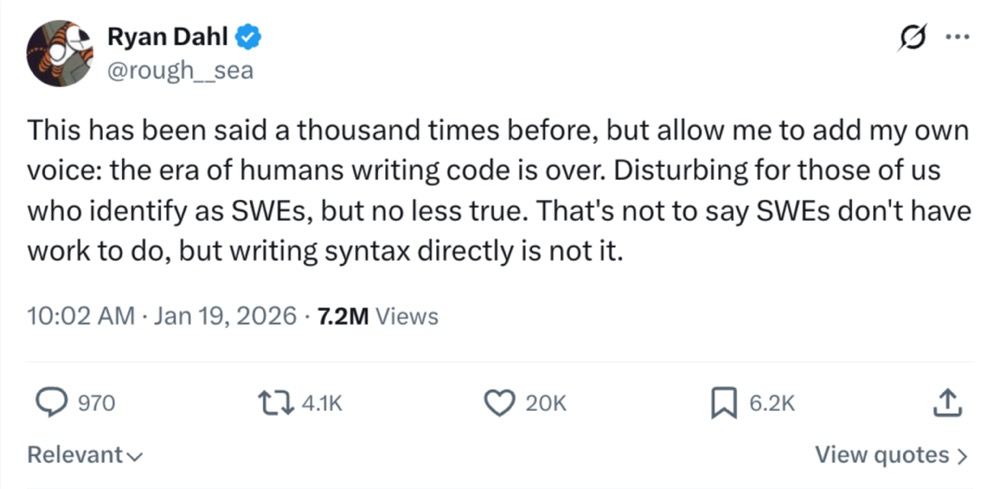
Ryan Dahl, the creator of Node.js and Deno, echoed the sentiment: "the era of humans writing code is over."
So in this post I want to talk about why learning to code will continue to be essential for many years to come, even if Claude and V0 and Replit and Codex and all the other tools will continue to make it even easier to build without knowing how to build.
As you'll see, the real winners with vibe coding are those who know how to write code, but choose to write less of it. If your AI assistant is outputting code, you will eventually have to learn how to decipher it.
The Rise of the Creative Technologist
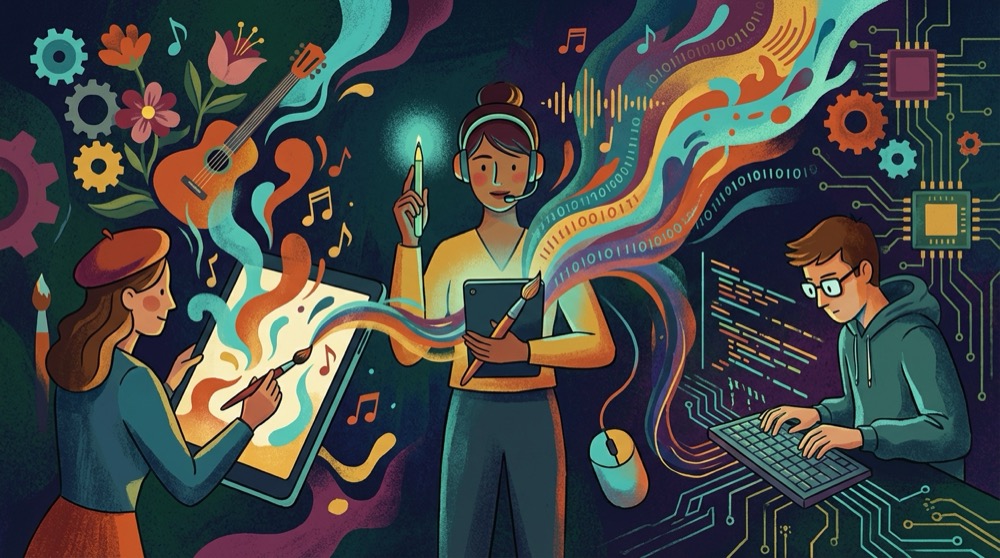
Since the dot com era, nerds have wrestled a ton of power away from the business and creative folks. When our world depends on tech, we depend on the techies. You don't have to pull up a list of the world's richest people to know what kind of person runs the world.
So if you, a creative business person, have an idea for an app, or an idea for a way to make your current workflow better, or an idea for an interactive part of your website, you will need a developer. Possibly several of them.
When you run out of time or money, resentment takes shape in some form, and you either abandon your idea or you learn to do some of the work yourself. You learn just enough to be dangerous. You also learn to work only within the confines of your abilities.
This is the creative technologist, and for a long time that was me. What is a creative technologist? It's someone who is more creative than a programmer, and more technologist than a normie. Basically someone between marketing and engineering.
Sort of sounds like a product manager, right? But whereas a product manager is a role at a company, a creative technologist is an independent being. A person with ideas and gumption and a thirst for tech, but without the burden of a niche skill.
In the early days I would learn how to manipulate every inch of Wordpress themes and plugins, but I would not learn PHP. Later on I moved to headless CMS and Jamstack, copying and pasting Stack Overflow solutions, but I would not learn React. HTML, CSS, and a small amount of JS were basic prerequisites of web development, so that was no problem, but going deeper meant veering too far away from the intersection of marketing and engineering.
I was too busy problem solving, building stuff for work and later for clients, focusing on the front facing fun stuff, becoming an expert at working with preexisting tools but never knowing how the tools themselves were made. My titles were a hodge podge, I was sometimes called a "Digital Wizard", a "Digital Native" or simply a Millennial.
Ideas always required funding, until they didn't
The desire to build cool things is inherent in the creative technologist, who knows the opportunities out there, has the means to think up solutions to problems, and understands just enough about the technology to know what can be done. But for a truly unique idea that doesn't involve a plugin or a copy pasta patch, you gotta hire a developer.
So this is why for the last two decades the entire discussion has been about YC funding, angel investors, pitch decks, technical co-founders, and so on. As a creative technologist if you have an idea, you need the money to hire the developer to build the idea. Tech conferences would equally focus on two things: the tech and the funding.
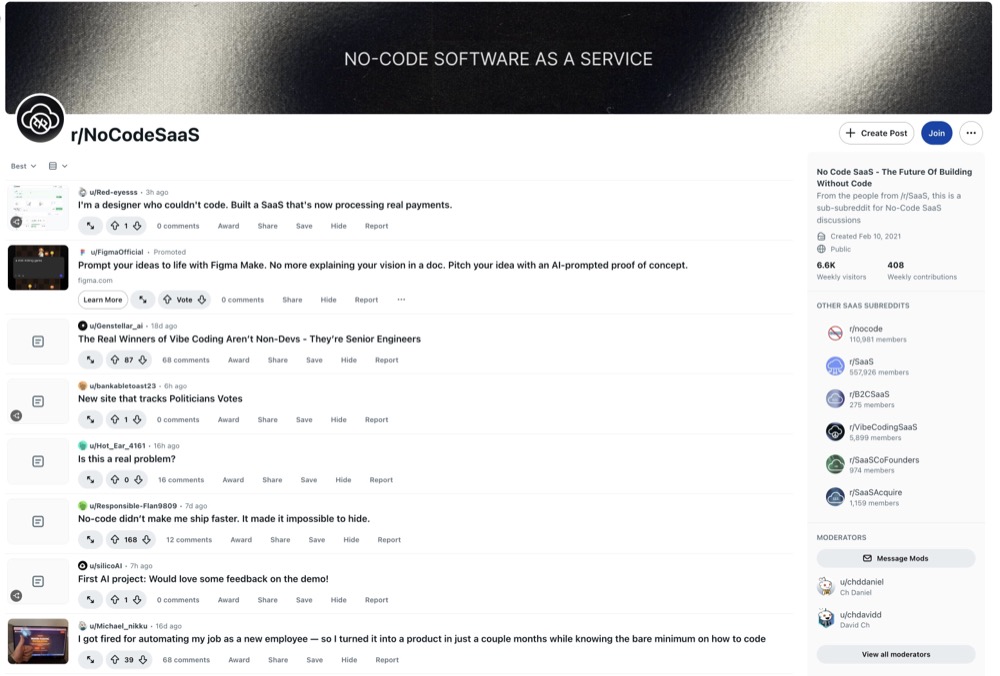
Now all of a sudden, wait a minute. You go to /SaaS or /Entrepreneur or /IndieHackers or /Startups and hold on, what's this? Nearly every Reddit post about a new app is someone who vibe coded it in a weekend and proudly knows nothing about code. To the delight of everyone else who knows nothing about code.
The dependence on developers is being wiped out with a vengeance. The power is shifting back from the techies to the business and creative folks. Now the message at tech conferences is all about bootstrapping your own app, your own product or business, how to do it with zero or minimal funding. The creative technologist is reborn. And there is almost a perverse sense of 'good riddance' when talking about developers going away.
The developer pushback
Meanwhile at the bottom of every one of these posts, in the audience at each of these sessions, there is the developer who is warning about security, slop, and impossible maintenance. There is the developer who talks about having to fix the code haphazardly generated by a colleague. The overall feeling is 'Good for you, looks like a cool prototype, but this ain't going to fly in the real world.'
So who do you believe? The no-code creative genius or the hardened developer? Is learning how to code a dead end now? Or is vibe coding a temporary acid trip that will eventually return back to reality?
Why You Should Still Learn to Code
So here's my opinion about this, from the perspective of someone who understands both sides of the tug of war.
Until a day when websites, web apps, and mobile and desktop apps are completely abstracted away from the underlying code, you should still learn to code.
Until a day when all APIs become a drag and drop GUI, you should still learn to code.
And until a day when LLMs generate their own technology rather than depend on the frameworks, packages, and languages they are trained on, you should still learn to code.
Code hasn't been abstracted away yet
Here's an analogy. When you work in Photoshop, the underlying technology has been completely abstracted away. You only see the image, the pixels, the user interface. There is never a stage in the photo editing process where you are staring at a million lines of code. You can project this analogy to After Effects for animation, or Premiere for moving images. And that is the same with Adobe's generative AI tools.
But at the moment there is no such abstraction for interactive apps. Yes, there's plenty of WYSIWYG drag and drop page builders like Wix, Squarespace, Framer, Webflow, etc. Dreamweaver had this locked down decades ago. But that simply abstracts the visual website build.
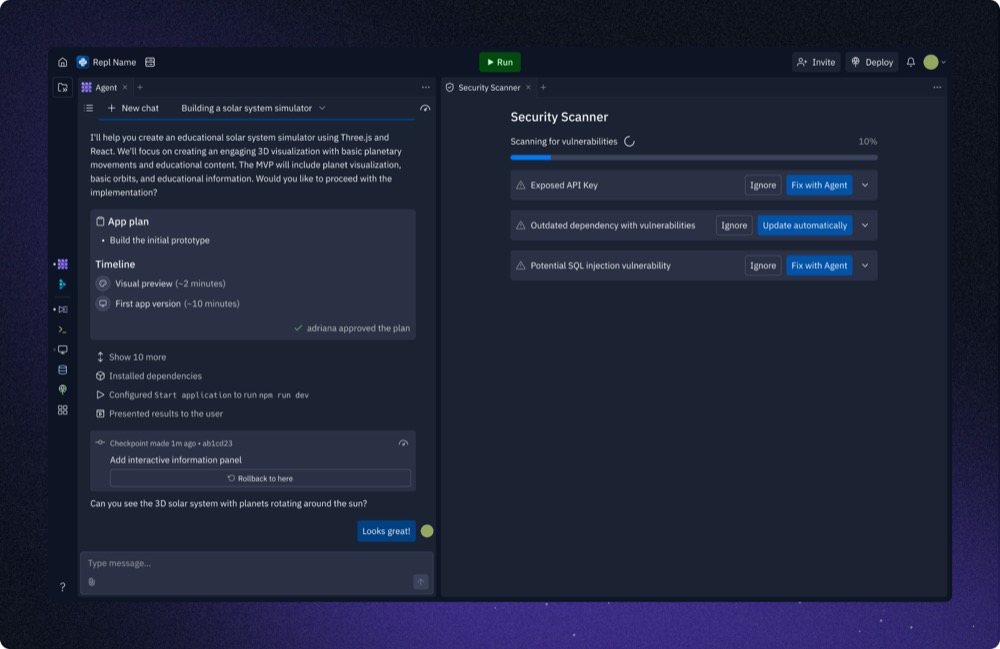
When you ask Replit or Claude to build you a small app, you might get a canvas preview of the app, but the output is a filesystem full of code. There's packages for the database, the authentication, the reactive DOM components. There's decisions on whether to create separate folders for the backend server and the frontend app, or whether to bundle them into one app with serverless functions. The AI is coding for you.
The problem is that the world wide web will never get to a point where it's consolidated into a user-friendly GUI where you can drag and drop those things into a web app. The packages, libraries, technology changes frequently, there are millions of developers constantly working on maintaining and updating these commercial and open source projects. I think we're many decades away from compressing the entirety of web technologies into a reliable abstraction.
So until then, even if Claude can scrape the web and stay up to date with documentation and recommendations, it's still making decisions and writing code. And if you don't know what any of that code is for, you will always be a creative technologist who only knows enough to be dangerous, building without knowing how to build. You will need a developer eventually, or you will need to learn how to understand and write code yourself, even if you choose not to write the code.
When the Creative Technologist Learns to Code
So where did my story go? After a long time in the creative media and marketing world, I moved into product management where I eventually realized I had to learn to code if I wanted to truly communicate with developers and drive product growth. It hasn't been easy to carve out time as a dad, and as you probably know there is so. much. to. learn. constantly. And of course to learn something you have to build something.
And then ChatGPT came along, which seemed both a magical gift from the gods as well as a deep source of regret. Did I just waste years of learning how to code right before writing code became obsolete?
I played with all the tools and watched the viral vibe code movement on X and LinkedIn and Reddit. So many no-code AI enthusiasts were calling for the end of coding. A lot of companies were laying off software engineers, claiming that AI was replacing them (remember when Meta and Microsoft said 30% of all of their code was going to be AI generated?), but we all realized what was really going on. These companies were laying off a big chunk of the staff they rapidly hired during the Zero Interest Rate Covid era, and it's better PR to demonstrate how you're an innovative AI-first company rather than simply cleaning up after a mess of over hires.
Claude Code: built for coders, not vibers
But then Claude Code came out, and it became immediately evident that AI assisted coding met its product market fit with actual coders rather than vibers. Compared to Cursor, Windsurf, V0, Replit, Devin, and all the other slick tools out there asking 'what do you want to build today?', Claude Code was an ugly CLI. There was no dumbing down for newbies. And yet it took off.
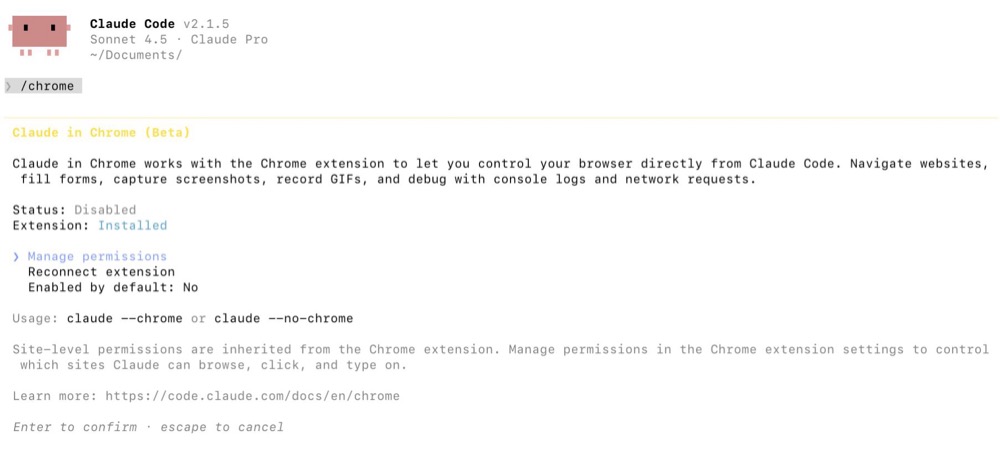
More recently Claude Code has made even more headways with the Claude in Chrome, a viral Clawdbot movement, and an embrace from real enterprise development teams. But at its core, the single most successful AI coding platform is a terminal screen built for nerds. And I couldn't be happier.
The creative technologist, the product manager, the solo entrepreneur are all winning in a huge way now, but only if they have the core knowledge and experience with code. They can move fast and break things even quicker than before, they don't need funding to get started, but they do need to know what the heck they're putting out into the world.
For me that's meant late night sessions where I tinker with code like before, enjoying the slow process of thinking through problems and figuring out solutions, reading docs and Discord chats. Then there are other times where I have an idea and I open up a terminal window and give Claude some specific instructions and let it fly. But the best sessions are when I'm somewhere in the middle, manually writing syntax and figuring out CMS collections and data structures while turning to Claude when I'm stuck or short on time.
Teaching the Next Generation to Code with AI
For a long time I've been encouraging my kids to learn about code with a variety of kid-friendly tools, like the MIT-developed Scratch. We've even worked through some simple Python apps to help them visualize what "coding" really is. They've had fun but they're not quite old enough to really dive deep.
But recently I learned my youngest son says he wants to be a game developer when he grows up. He's never said anything like that outright, so I wanted to see if I could encourage him with some magic.
So a few nights ago we sat down in front of Claude Cowork and worked through a game idea they've drawn up on a piece of paper. They learned how to be explicit with their prompts, how to think through what a simple game might need, how to make it unpredictable and fun.
And in the process I taught them about Git (and Github), the building blocks of HTML, CSS, and Javascript, I taught them about mobile and desktop responsive design. They wanted to try the game out on their iPad and share it with others, so we walked through a deployment pipeline to Netlify. In a few hours we went way deeper than we've gone before with a pizza toppings picker in Python.
With one iteration they wanted to change a cooldown attribute on a character and I asked them to write a prompt for what they wanted Claude to do. But at that point my older son said, 'Couldn't we just update that number in the code?' So we went into that character's settings in VS Code and changed the cooldown attribute. And in that moment I realized this is the way forward.
The future of learning to code
My best friend works at a university where the students are claiming no one in Computer Science writes code anymore. You hear that on Reddit too. Students are getting by with a Claude Max plan, depriving themselves of the learning opportunity, but can you blame them?
If you move to a country where everyone understands English, the only way you'll learn their language is if you force yourself and others around you to patiently endure your learning period. It's tough to do that when the fallback to English is right there, always.
So with the language of code, if we're going to encourage the painstaking learning process while the AI fallback is constantly there, we'll have to figure out a new way to teach coding. Maybe something in between the completely manual process and the magic of AI doing it all for you.
By the way, if you want to see my kids' game you can try it here: wwizard.netlify.app
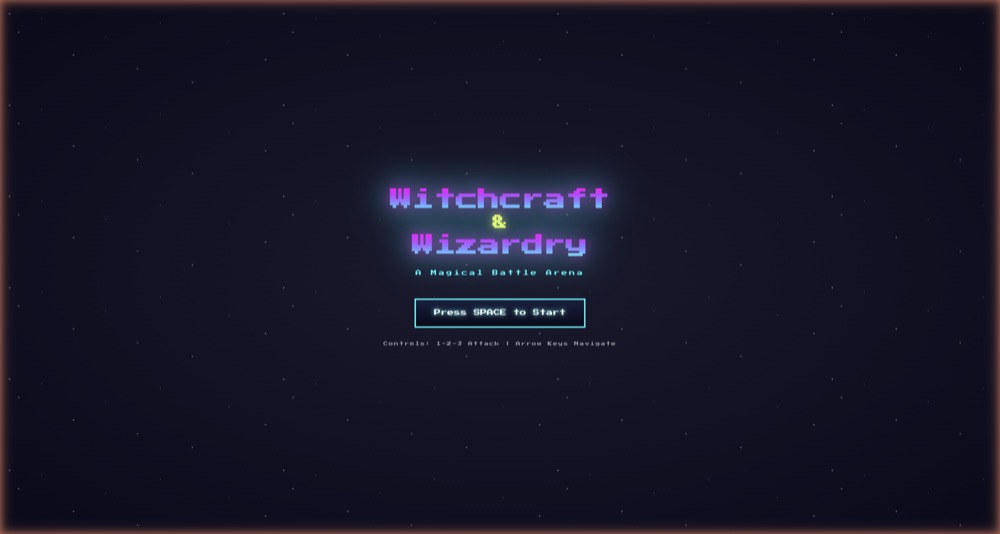
It's a work in progress. They have a lot more ideas to enhance it. Little, budding creative technologists.