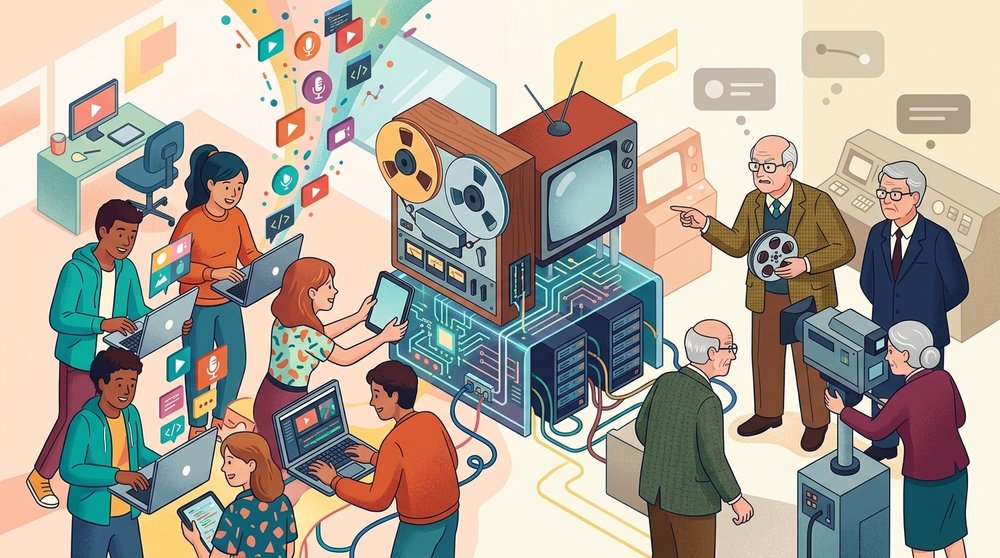
Is Vibe Coding the Future? I've Seen This Movie Before
If you're wondering what's going to happen to software development now that practically anyone can do it with AI, I have a pretty good idea. And it comes from living through the most recent major disruption: video content creation.
The same worries about jobs, about the loss of the craft, about slop and professionalism. The same gold rush for enterprising freelancers, followed by internal corporate do-it-ourselves attitudes. And then the next stage, a giant wave of internet creations that served niche communities. It's all there.
Interested to get a glimpse into the future? Read on.
The DSLR Revolution and the AI Parallel
Less than 20 years before AI sent everyone into a panic about jobs and economics, there was a similar disruption. It was all about film and video content production, and there are many similarities.
I lived through that disruption too, was actually on the cutting edge of it, took advantage of it, before the unstoppable tide washed over me like it did everyone else.
There have been many disruptions that AI has been compared to, like horses and cars, accountants and quickbooks, recording studios and protools. But to me, the DSLR and YouTube Content Revolution is the most recent and similar comparison that we could learn from.
And it's also near and dear to my heart, so I can write confidently about it.
Over the course of this video production "democratization", the rate of new content being uploaded grew by over 8,000%. And yet, the professional industry grew rather than shrank, Hollywood is still thriving, and there is a whole new generation of self-taught video freelancers and in-house corporate video producers.
Most importantly, people's appetite for consuming content grew slightly but hit a natural limit with free time. It turns out people don't have 8,000% more time to watch videos.
This will be a very important consideration in the AI coding era.
Before Anyone Could Make a Film
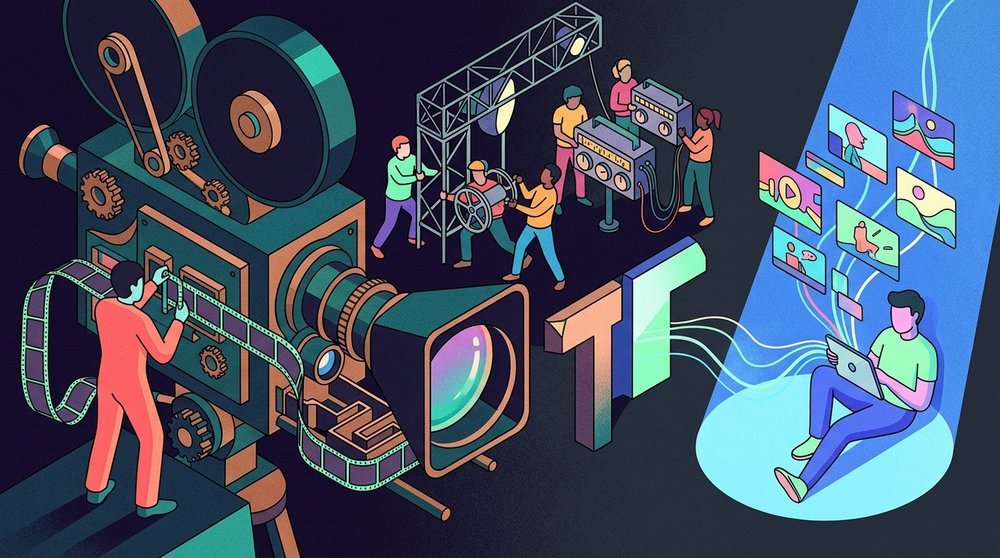
Let's begin with a short background of the world before video content production exploded. A world where the main barrier to video and film storytelling was the equipment.
Yes there were professional networks and talent and career paths and all that. But if someone had a good idea, a volunteer crew, and a location, it would still take many thousands of dollars to rent the gear to create something that looked like the real thing (e.g. not a handycam home video).
If you were into narrative films, film school would set you back a few years and a lot of money, and even then you'd still have to take out $15k in credit card debt for the gear rentals to shoot one short film.
And then there was the film to digital transfer, editing fees, legal and insurance requirements, film festival submission fees, and the cost of traveling around to promote your little short.
This was all required to create a visual story that had the "film look" - basically a 24fps (frames per second) framerate, shallow depth of field, and the right colors - something that was essential to nail a suspension of disbelief with audiences. Which means for a moment in time the audience forget they were watching a video and instead were immersed in the story. We'll skip the film history, just believe me when I say that the "film look" or "cinematic look" was a very important barrier to entry.
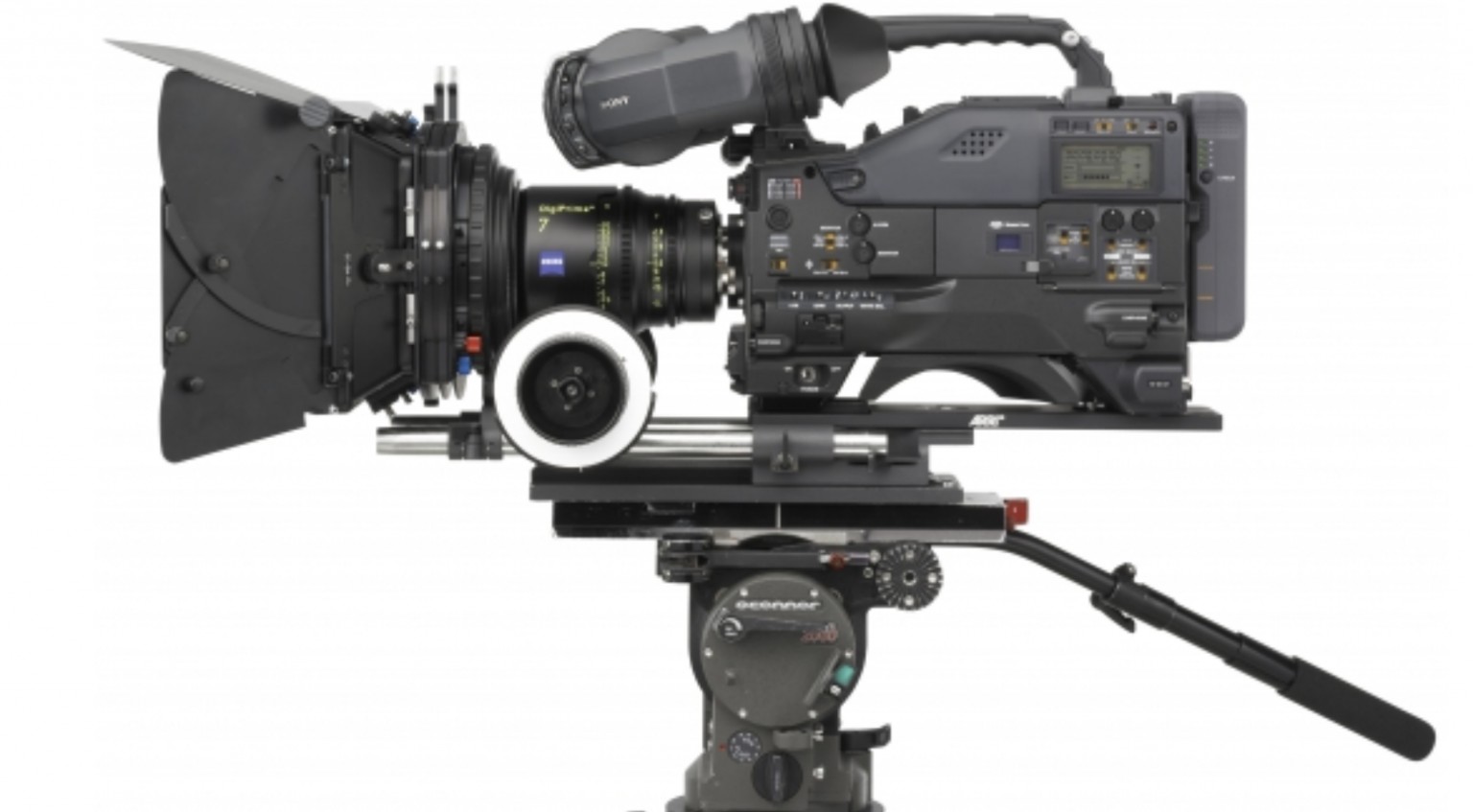
On the documentary and corporate side, if you were a freelancer - typically a former news photographer turned independent camera operator and producer - you would take out a loan for $100k to buy a digital camcorder. It had properties that differentiated the look from home video handycams, which was essential to nail a professional or serious tone. A film look would still be preferred, but not many documentaries could afford to shoot on film.
And then of course there was editing and distribution, like the film festivals already mentioned for narratives, but also paid TV spots, screening parties, distribution deals, public television, DVD sales.
In a nutshell, it was expensive as hell, so if you were going to get into it, you either had to be willing to go into debt yourself, or fundraise, apply for grants, build a career network, know a lot of people, and hope your idea was a moneymaker.
Which means only the top shelf people and ideas ever made it to a real production. Nobody would spend $50k to make a documentary short about a Nebraska grandpa who builds unicycles for the neighbor kids. Even though that sounds like a really neat story. (And it was, I made it eventually).
So even in the digital video era, the established film and video industry still had a tight reign on not just what gets made but who gets to make it. Until a little photo camera came along.
The Camera That Changed Everything
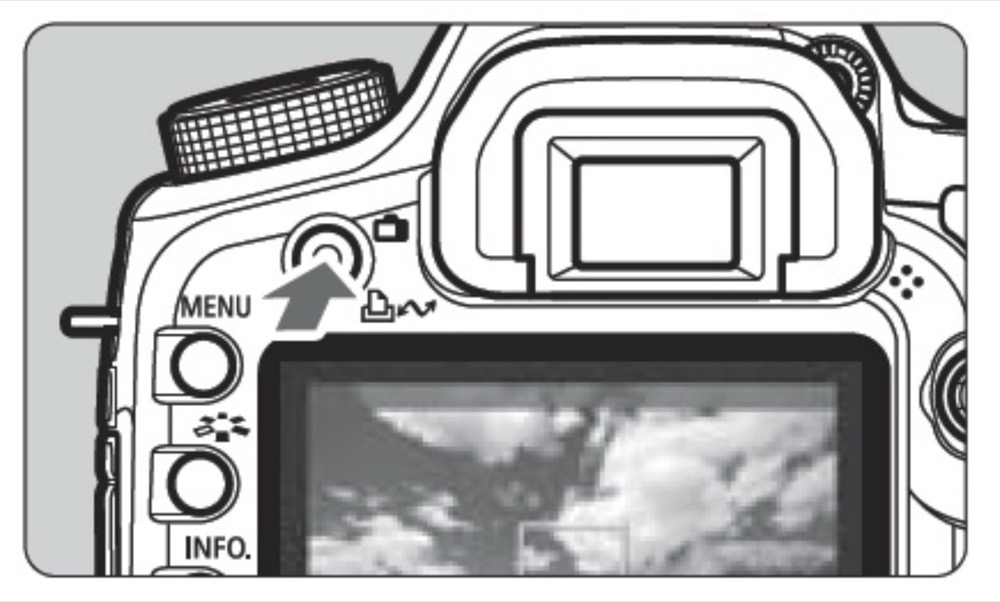
In 2008 Canon released their flagship digital SLR photo camera with an experimental feature. Canon added video recording primarily for photojournalists who needed to shoot short clips in remote locations as supplemental material, but what it produced was far more significant than anyone anticipated.
You could now enable "Live View" and record short clips of HD video output at 24 frames per second, using lenses that were designed for photography. Which meant a shallow depth of field and a huge camera sensor that captured a ton of light and colors.
You can imagine a rich, professional portrait, zoomed in with beautiful blur in the background, at 24 times per second. This was no longer a home video. This was the film look, starting at $2k for the camera body.
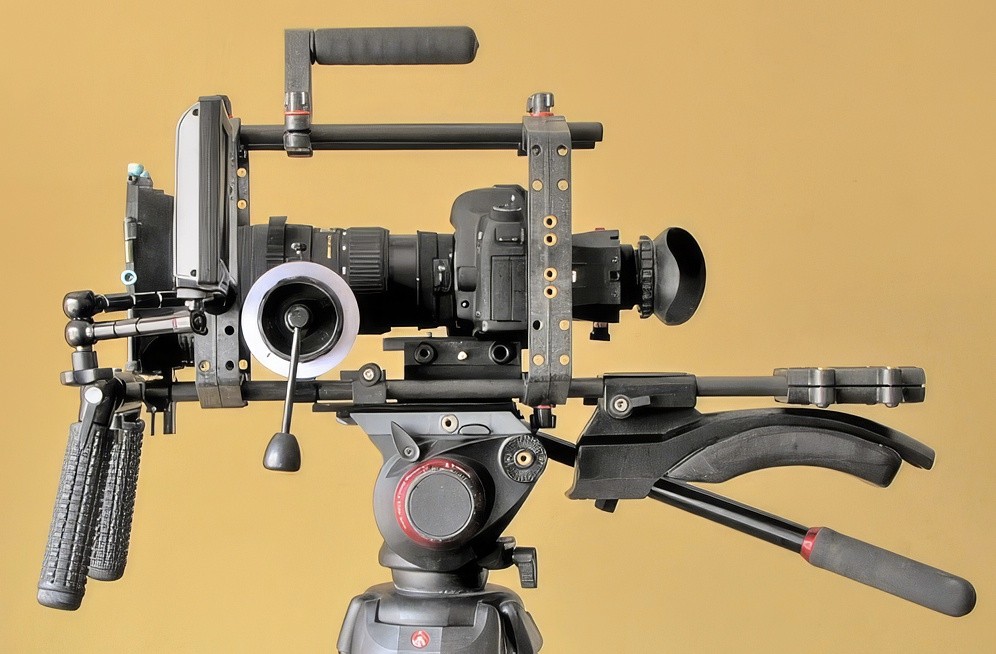
Over night a whole industry was born. At the annual National Association of Broadcasters conference in Las Vegas (NAB), the 100k+ crowd was no longer a typical crew of TV news producers and broadcast engineers. It was a sea of creatives who were suddenly given the keys to the world of filmmaking.
Everything was miniaturized: slider dollies, jibs, light kits, sound recorders, monitors, matte boxes, follow focus, shoulder rigs, steadicams, and prices. You could own a tiny film production kit for less than the cost of renting traditional gear for a day.
It really was one photography camera with an experimental feature that launched the entire video content revolution.
But if the 5D Mark II opened the gates for a swarm of creatives, then YouTube was the promised land beyond those gates.
YouTube Gave Filmmakers a Stage
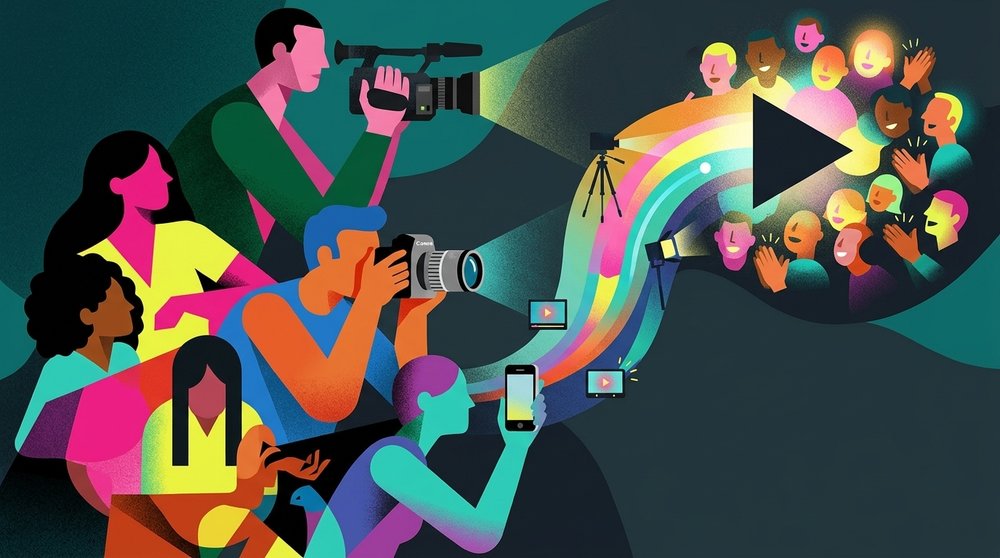
YouTube was already starting to hit it big a couple years before the Canon 5D mkII launched the DSLR Revolution. There were many digital video cameras already capable of producing YouTube video content.
When the iPhone 3GS came out in mid-2009, you didn't even need a handicam anymore. Now anyone with a phone could record video content and upload to YouTube.
But it was the DSLR camera revolution combined with YouTube distribution that became the magical twofer. Anyone could buy a camera at Best Buy and make cinematic-looking content.
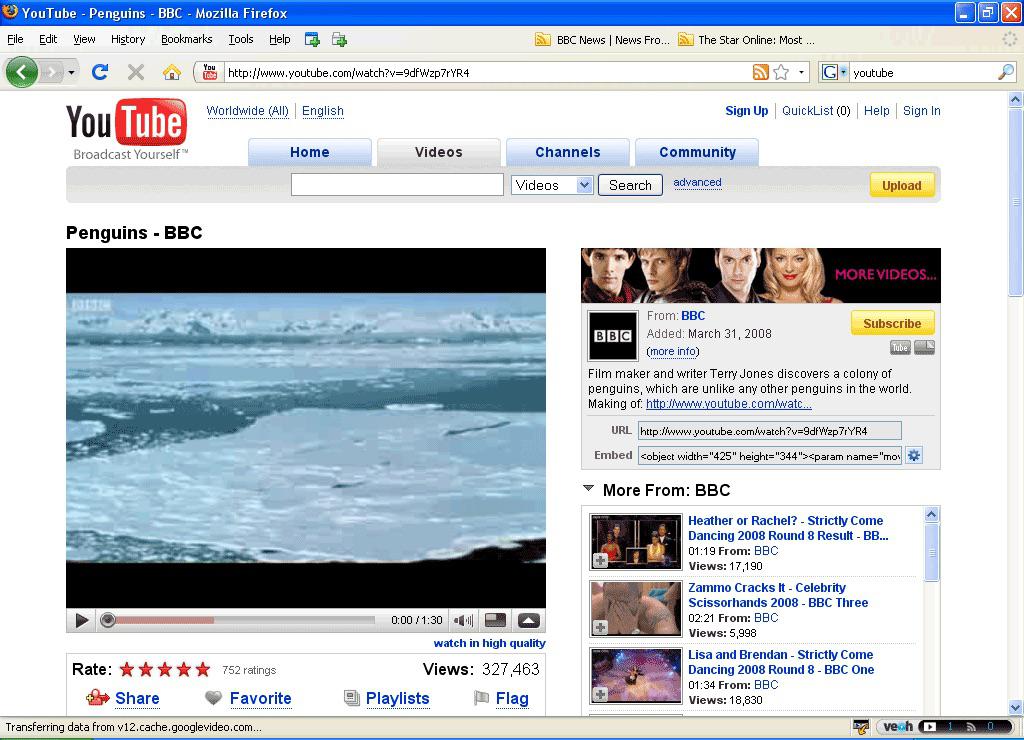
At first, the vast majority of YouTube channels were not immediately creating narrative or even documentary content. They were mostly about how to make YouTube content, reviews about cameras, lenses, support gear, audio accessories, DIY hacks, and so on. There was a whole new industry overnight, with many newcomers, so it's fair that the excitement was centered on the gear and not necessarily the output.
And to this day that is still a cornerstone of ReviewTube as it's often called. But eventually people started to create real videos and films that were not about the tech used to make them.
DSLRs and Final Cut Pro Go Hollywood
In November 2010, Lena Dunham's feature film Tiny Furniture was released in theaters. It was shot entirely on a Canon DSLR (the 7D, a crop sensor follow up to the full frame 5D mkII). This was a pretty big wake up call for the established Hollywood industry.
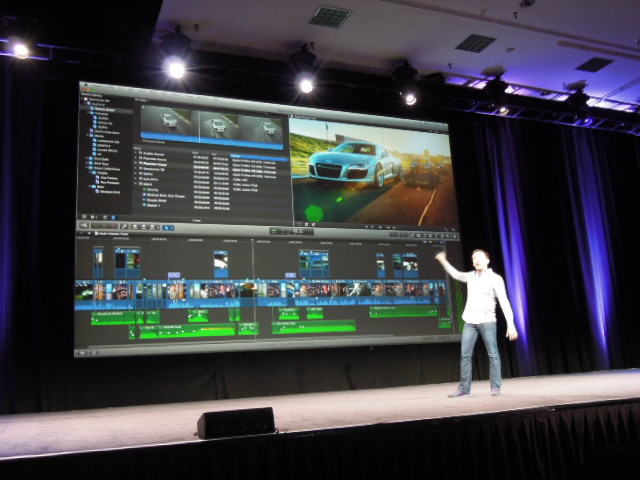
And then in mid-2011 Apple released Final Cut Pro X (aka version 10), which enraged professionals to no end. Still does, in fact. The new iMovie-like video editing software was very affordable, easy to use, and was clearly geared towards creative non-professionals, at least at launch time.
And then a few years later, documentary filmmaker Matthew Heineman ran around Mexico's most dangerous neighborhoods to film Cartel Land, shot entirely on a Canon C300 and some Canon photo lenses, along with DSLRs for backup. His ability to move fast while shooting cinematic footage earned him an Oscar nomination for Best Documentary Feature.
The Canon Cinema EOS C300, which was a video-focused camera follow up to the 5D mkII photo camera, became the industry standard for reality television, documentaries, and even narrative filmmaking. An entire crew's kit, including camera and lenses, lighting, audio, a steadicam, and even a drone could be carried around by one person.
So now there was a huge army of solo shooters, producers, and editors who bought their way into the industry with affordable equipment and a passion for video storytelling. They didn't need a professional network or funding, or film school and festivals. They had the equipment, the online audience, and even a path to TV and Film if they desired - no gatekeepers could stop them.
Was this the end of Hollywood? Of professional crew and editors? Was it a waste to go to film school and build a career, now that anybody could just make a film? These were questions asked by everyone who was already in the industry. It was a frightening time for them.
For the rest of us little guys, who most likely could never get into this gated world of filmmaking, the whole world seemed to be opening up.
How I Rode the Wave
So here's where it gets interesting and relevant to the current AI craze and fear of industry collapse and job cuts and all that.
In the fall of 2010 I got a job as the Membership Manager at Alaska's PBS and NPR station. The job required me to pitch on both TV and radio, about the importance of educational and inspirational content. Soon I would transition to Digital Media Director, which meant I was in charge of bringing the station into the 21st century.
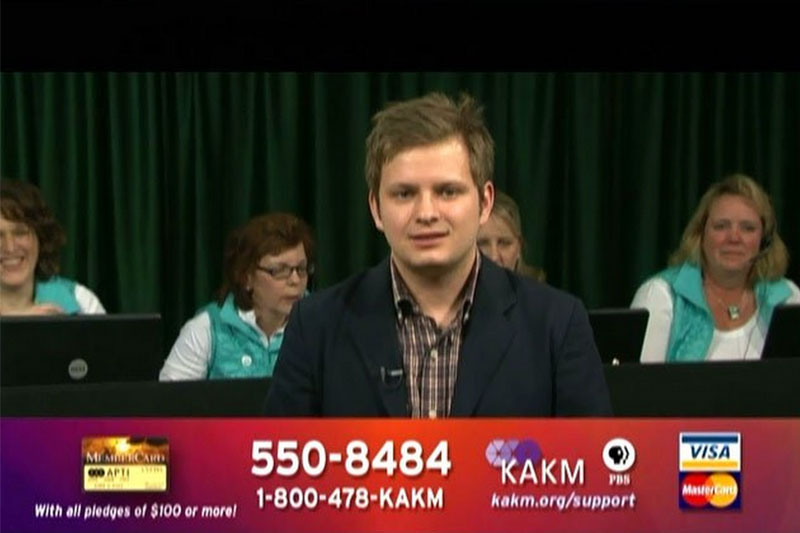
At the time, Alaska had over two dozen reality shows zipping around from corner to corner, creating sensationalized TV that was far from real. At our PBS station, we found that authentic, local content was the most essential antidote to this commercialized Alaska, and members/donors couldn't get enough of it.
The problem was we ran out of local content early on. Just like in the rest of the filmmaking world, to make a documentary took considerable funding and time, which also meant that the funded topics were mostly sweeping historical anthems about the state's history. Hyperlocal TV content was just not in the cards.
So the station decided that TV would slowly take a backseat to radio content, which was easy to produce, featured local community voices and stories, and it was beloved by the old timer public radio supporters. There was even a digital path with Podcasts, if we wanted to be cutting edge.
You can imagine how perplexed I was as a 20-something digital guy who just started a career in TV. That's it? We're throwing in the towel? Had no one heard of YouTube?
The Stranger
After I saw 'Tiny Furniture' at our local theatre, I rushed home to learn everything I could about the DSLR revolution. Soon after I drove over to Best Buy and bought a Canon DSLR with a kit lens, and I made a little camera holder from a piece of a curtain rod. Then I packed it in my hiking backpack and went camping with a group of friends.
During that weekend, without giving anyone a heads up, I asked my friends if they wanted to make a short film? Like right now? Some ideas were thrown around, and before sunset we shot a film about a French stranger who shows up and steals everyone's wine and cigarettes.
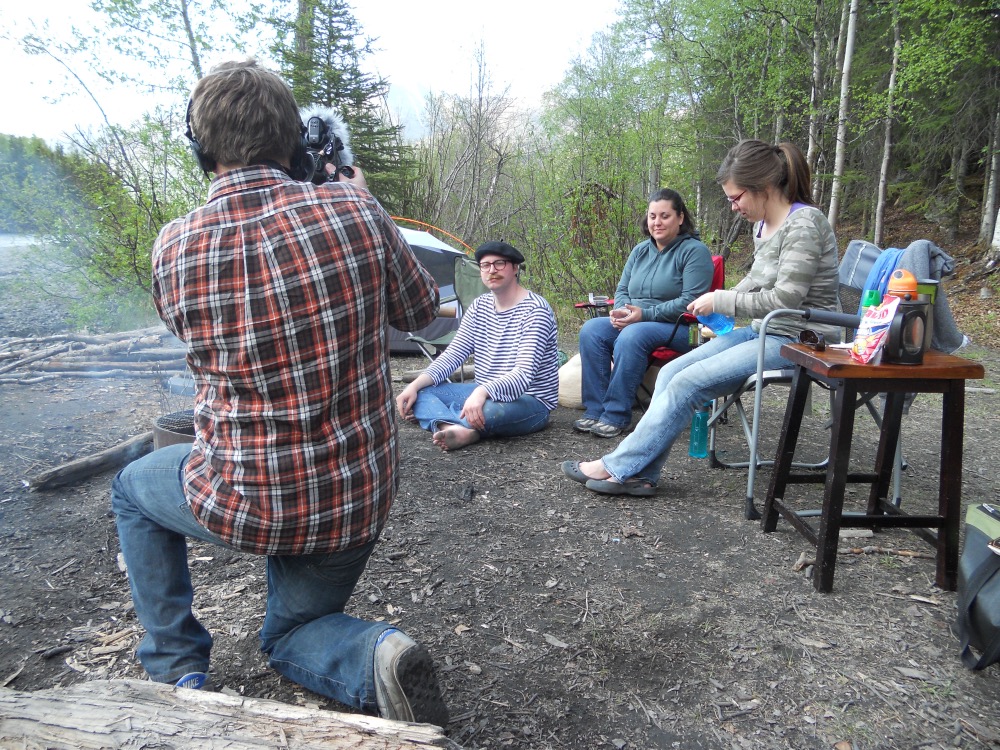
I edited it, burned it to a DVD, and brought "The Stranger" to a local Open Projector Night, a growing indie film scene. An audience was watching my little "film" on a giant movie screen. I heard laughter, and then applause. It hit a spark.
Getting out of the studio
So back at the Anchorage PBS station I started to experiment with shooting local stories, and even teleprompted pledge breaks with some first generation iPads, all outside in the local community and often outdoors with Alaska in the background.
Up until now it was considered too expensive to shoot any video content outside the TV studio, unless you had funding, a historical script, a sweeping story.
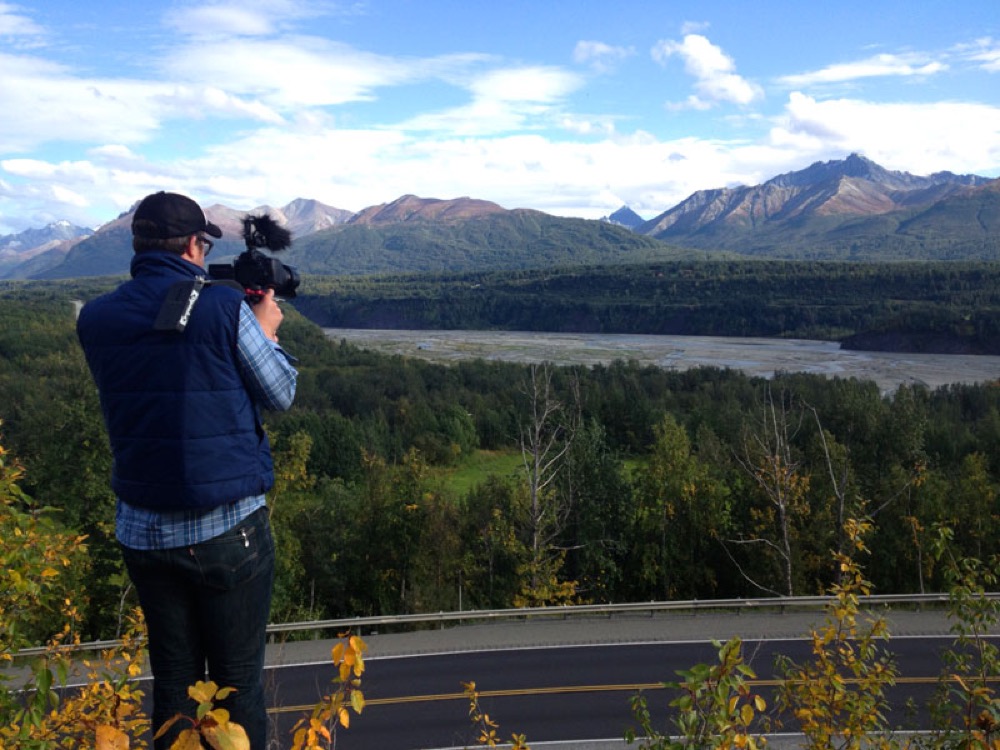
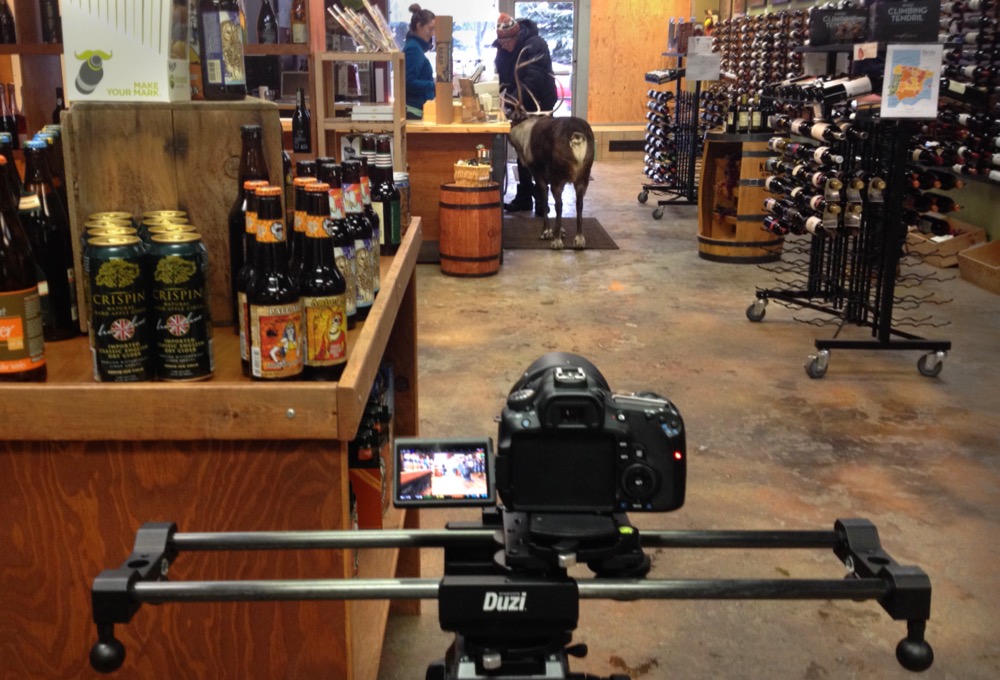
But here was this profoundly beautiful place outside our office. So with my Best Buy video gear, and editing on my own laptop, I started to go out with my colleague and best friend to shoot outdoors, at concert venues, anywhere and everywhere within driving distance. There was so much to shoot, who would opt to stay in the studio?
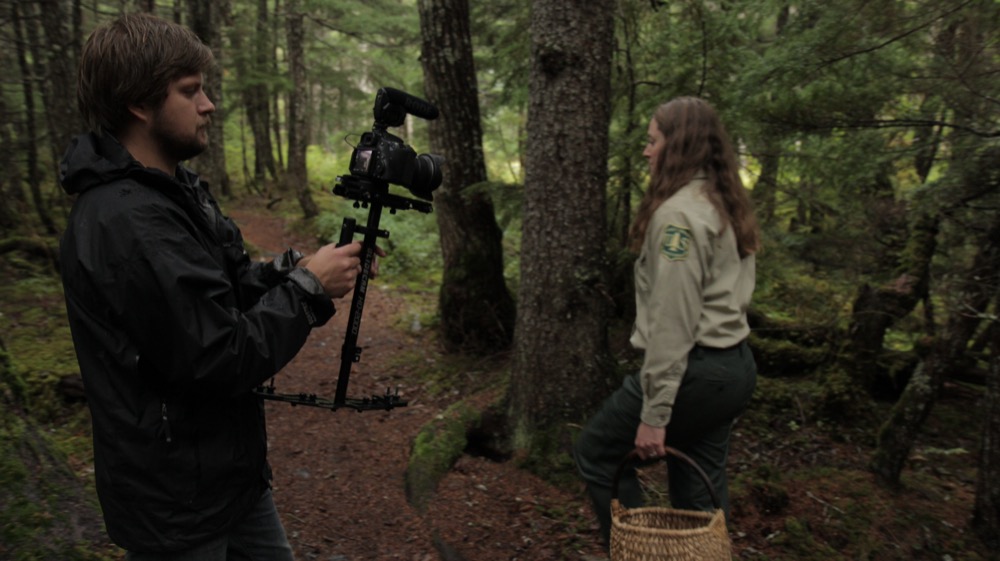
Finally we had some fresh Alaska content that we could pledge around. We started broadcasting our DSLR videos on TV, first during pledge breaks and interstitials, and later as short half-hour docs. Something was beginning to happen - TV was no longer on its death bed.
Indie Alaska
A short time later, I received a individual artist's grant from an Alaskan foundation, recognizing my early experiments with local video storytelling. I used the money to fly a filmmaker from Texas to Alaska to teach me and a small group of others how to make short documentaries.
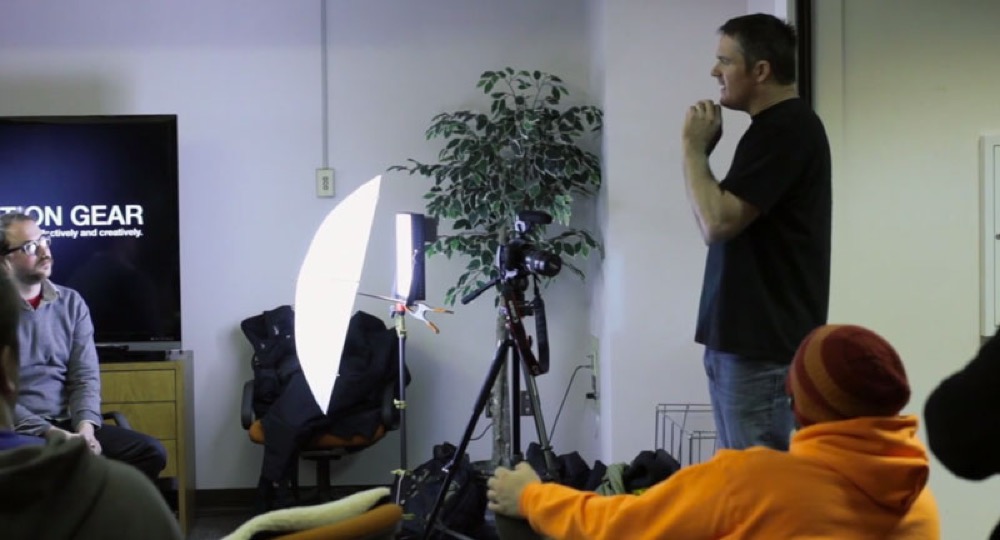
He arrived with a Canon C300, a case of lenses, a light kit, audio, a laptop, and some peanuts. We flew down to Seattle, and then up to Ketchikan, and then were supposed to get on a bush plane to fly to Hyder, Alaska, a town with a population with about 50 people. Our car rental was an old pickup truck I had arranged with a guy named Jim, who said the keys were inside and to leave some money on the dash when we were done.
But that day the weather was too cloudy, and the next flight would be a week later on the mail plane. Real "Northern Exposure" vibes here. So since we were stuck in Ketchikan anyway, we decided to make the best of it.
We talked to some people on the street, we made some phone calls, popped into some shops, buttered up some of the local fisherman at the bar, and eventually we had a whole list of documentary subjects. Over the next few days we shot in a movie theater, on a boat, in a church, at a bakery, in a grocery store, at a ballet rehearsal, and often outside in the rain.
None of these were stories that would ever have been told if they required funding, permits, crews, and a year of preproduction. Was this not a dream? I wondered if there was a way I could do this again and again.
At PBS national headquarters, a new initiative called "PBS Digital" was launched, and they began experimenting with YouTube hosted series and DSLR content. But they wanted to move into documentary content, and to get stations on board this new wave.
Overconfidently, and only a few weeks after our Ketchikan trip, we promised PBS Digital a whole series we'd call "Indie Alaska." They gave our station some money, but mostly it was their blessing that convinced our station leadership that this was real.
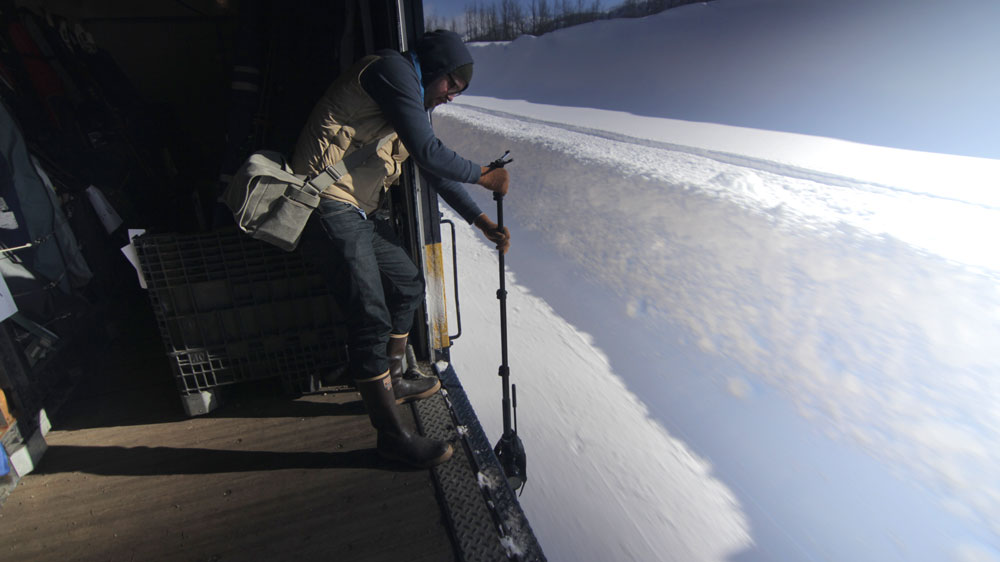
So that kicked off a year and a half of weekly short documentaries about Alaskans from around the state. We would fly in bush planes and get on snow mobiles and shoot minidocs about interesting people. Real, normal Alaskans, not sweeping political histories. And then we would come home and edit until 4am, upload the video, and go back to work doing other things until the next shoot.
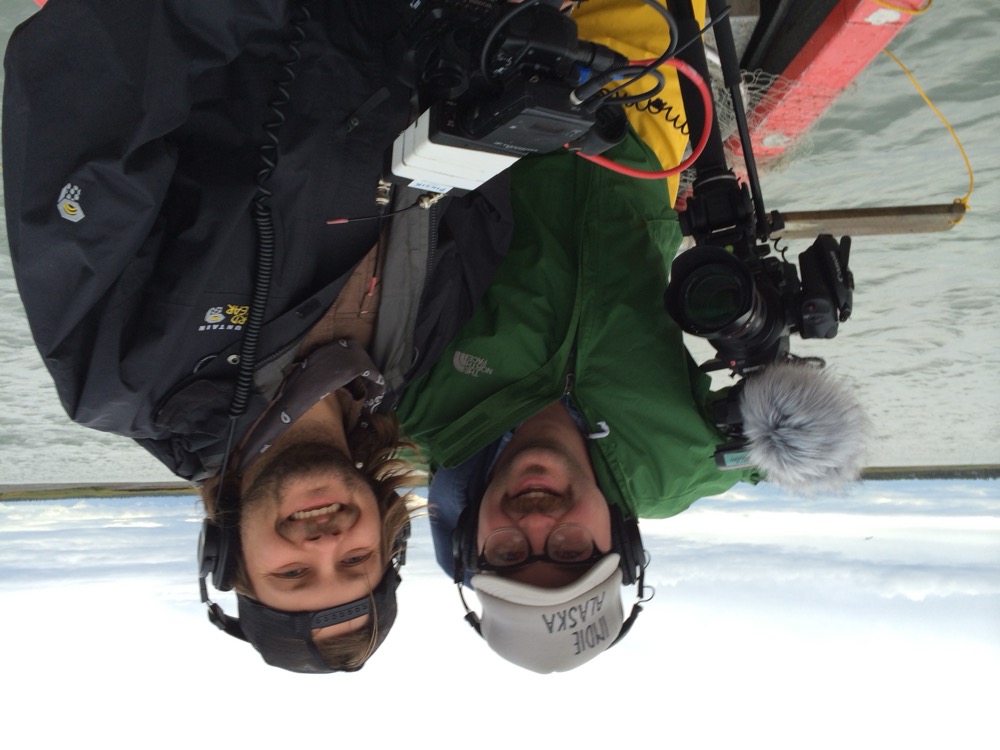
The YouTube series would go on to reach millions of viewers, earn a few EMMY awards, and kick off a content revitalization at PBS stations across the country. It also won my friend and I "Top 40 under 40" awards in the state of Alaska, which was a really meaningful recognition for us.
And all of this was only possible because of the new ethos of independent creatives going around with a backpack of gear and a laptop creating niche content that couldn't ever be created in the old model.
But it turns out, not everyone was happy about this.
The Old Guard Resists (at first)
At our station we had a mixture of leadership who was excited for new energy and digital transformation and innovative approaches to content, and we also had members of the old guard who did not appreciate it at all.
They called the new content "YouTube quality," meaning less than. Sort of like today's "AI slop." They didn't allow us to touch the professional gear that sat in a closet collecting dust, and so we bought our own. They told us our videos weren't in the right format for actual TV broadcasts, and so we figured out ways to transcode MP4s to arcane TV codecs. They definitely did not like our bypassing the established, traditional paths in television programming.
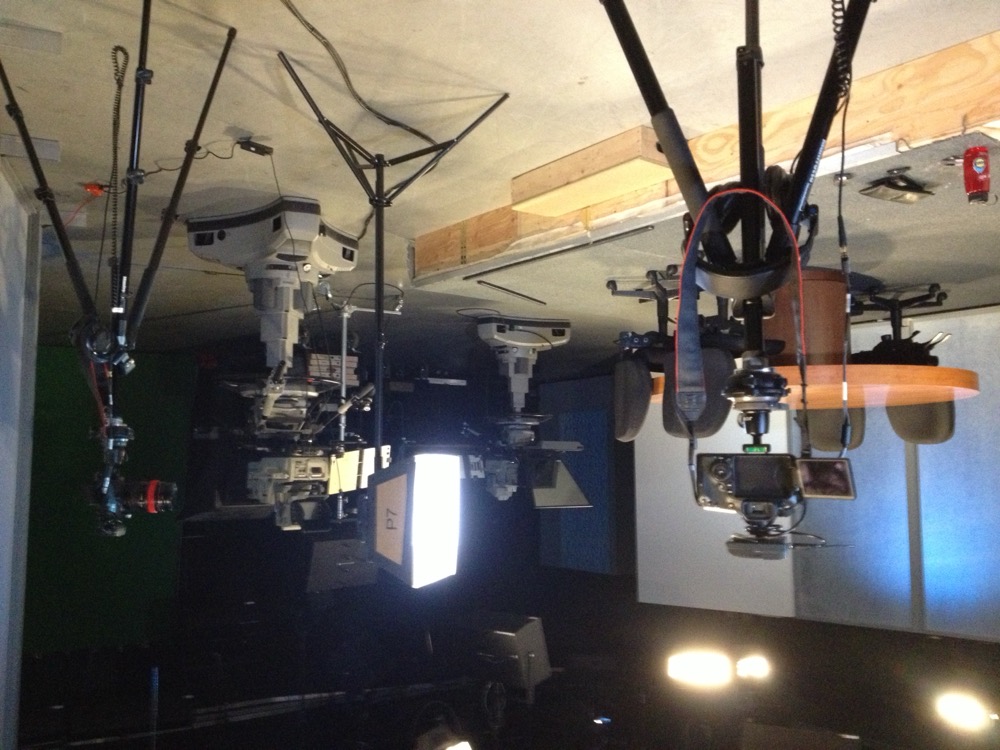
But over time, they were forced to cooperate by leadership. They were even forced to use some of our production tools, and eventually forced to contribute to our new series, or at least sit in on our production pitches.
They did not like any of this at first, but you could kind of see they began to appreciate the massive energy and attention pointed towards their corner of the television world. TV was about to die, along with the TV people, and here we were resurrecting it with fresh blood.
And at one point, it all just became normal. We hired more young video producers, some who didn't even know the world before DSLR video. They had only ever used Final Cut Pro X. Making YouTube content was as natural for a PBS station as was a podcast for an NPR station.
Regular TV studio programming didn't go away, and neither did the old guard. There just became more - and different - types of video content, along with non-traditional ways to become a content creator.
Starting an Agency
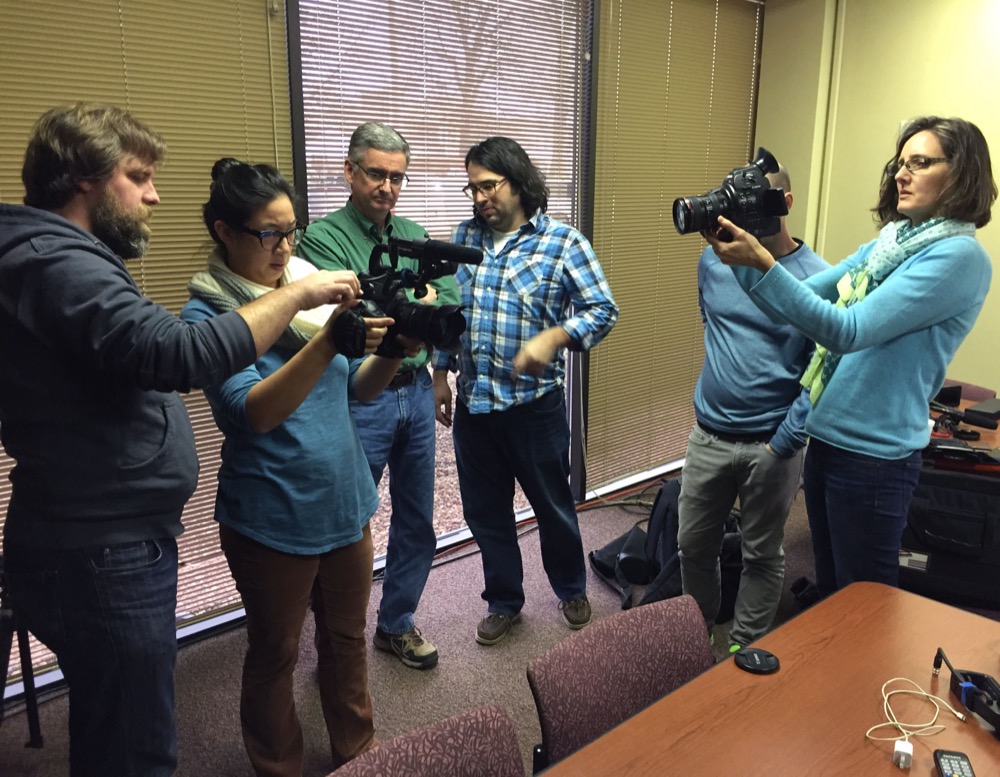
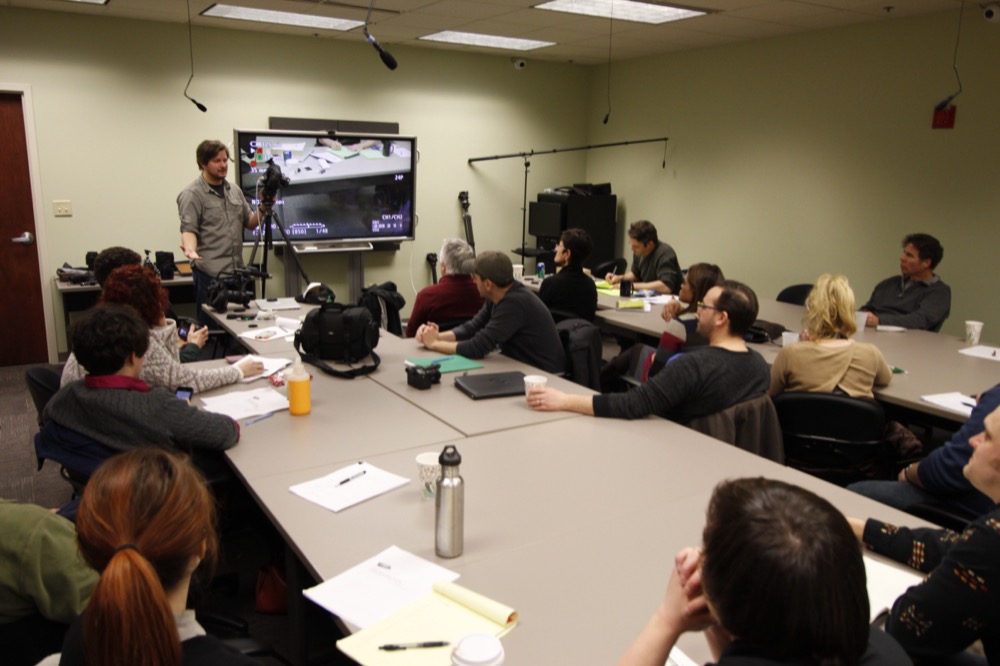
Eventually PBS Digital hired me and my partner-in-crime to travel around the country training other PBS stations in this form of modern documentary content production, while creating a new series called "Indie America."
At each station, the same old guard resisted with process barriers and concerns about "slop." And at each station there was always one or two little guys trying to trudge through it with sheer energy and excitement for new ways of making content for their PBS station.
They all won over the station leadership first, and then the naysayers. Turns out there's no stopping giant waves of disruption, or even slowing it down. There's just resisting and praying it goes away, or doesn't destroy everything in its path.
The PBS cross-country trainings and productions led me and my partner-in-crime to start an independent company focused on marketing with authentic short videos. We had a wide assortment of clients all over the country, including a series with Dropbox and Mozilla.
At first, when this style of content was only starting to ramp up, we were busier than we could handle. But over time, we realized a trend. As soon as we wrapped up a project, the clients would always try to probe us for tips on how they could tackle their next video projects in-house.
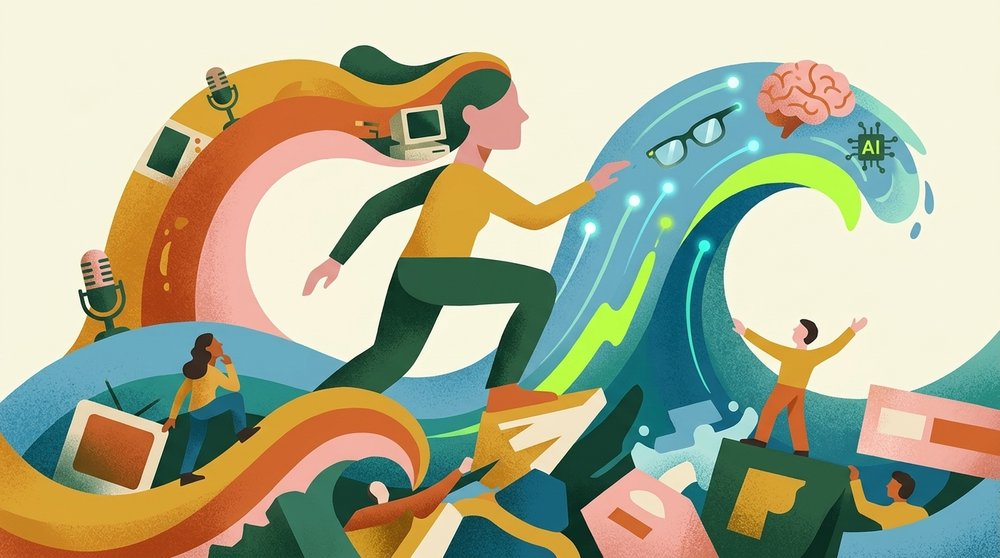
I've always loved teaching, blogging, Youtubing, sharing everything I know with others who are riding the same wave of excitement to create. And when there was a near infinite amount of demand for work, there was no issue. But when our clients consistently wanted to learn from us, so that they didn't have to hire us, it seemed like an unstoppable trend.
And so it seems the content revolution did not stop at indie freelancers joining the ranks of the established guard. The urge to create content - incredible amounts of it, quickly and cheaply - was irresistible to the corporate marketer.
What happened next was nearly everybody and every company got in on video content marketing. YouTube shot up, then Instagram and Facebook video, then... well you know what came after.
Two decades later, the corporate response to AI is eerily similar to the video content disruption. As we're navigating the AI era, as product managers are convincing leadership to let them play with vibe coding, as freelancers are jumping at new opportunities to serve niche clients with bespoke apps, the business world will always move in the direction of doing more in-house, a lot more.
But unlike content, is there a real appetite for consuming near unlimited production of software?
The Content Revolution by the Numbers
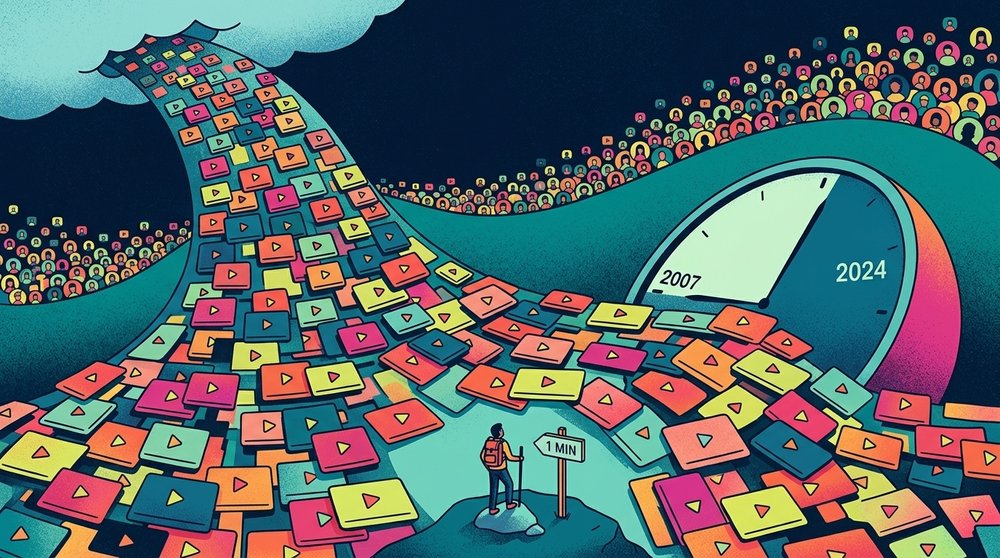
Today there are more than 500 hours of video content uploaded to YouTube every minute. It would take over 80 years for someone to watch everything that's been uploaded in just the last hour.
There are over 113 million channels. The rate of new content uploaded grew more than 8,000% from 2007 to 2024.
As for jobs, the number of professional production crew, editors, writers, and their wages all grew. Alongside them, the number of freelance content producers and editors also grew substantially.
And companies hired many in-house video producers, jobs that didn't exist before. Over 50% of all companies create videos entirely in-house, and another 30% use a mix of internal and external creators. Only 10% rely exclusively on external vendors. Over 90% of businesses now use video marketing and view it as an important part of their marketing strategy.
Interestingly enough, over 70% of video marketers today use a dedicated camera to record their videos, like a DSLR. And over 77% of them use YouTube to host their videos.
In short, the DSLR/YouTube revolution democratized production, which led to a ton of freelancers flooding the market, which led to businesses building up their internal capabilities and the film industry catching up to more demand for content. The whole industry grew, not shrunk.
But here's the thing. Even with 8,000% more content uploaded every hour, people only have so much time to consume it. Yes video consumption has grown substantially - from 10 hours per week in 2018 to 17 hours per week in 2025. But there is still a hard limit to free time.
What about work time? Is there a limit to how many apps people want to use on average per week?
Will Vibe Coding Replace SaaS?
So now that we've journeyed through the video content disruption, which only led to more content creation and consumption, what can we foresee will happen with AI and the software revolution?
Unlike video content, which exists in infinite quantities to market to consumers who watch passively, software has a whole lot of strings attached.
A bad indie video you watch once costs you maybe 10 minutes. A bad internal software tool that your company adopts can cost you 2 years of migration pain, bad data, and multiple engineers dedicated to the project. "Trying the indie version" of traditional SaaS can get expensive fast.
There's also way more risk to "building in-house," unlike shooting content in-house. It means maintaining software indefinitely, handling security, uptime, compliance. Internal tooling can definitely grow substantially as a layer above core SaaS platforms, but replacing them comes with considerable risk and expense.
The real improvement in productivity might happen inside the SaaS companies themselves, where they can move quickly to serve customers with custom needs. Sort of how Hollywood adopted the DSLR ethos whenever it needed loose and fast shooting to get footage it could otherwise not get.
So in my opinion, there will naturally be a huge win for small businesses who adopt new AI-created tools, where they otherwise could not afford expensive licenses. At first they'll hire freelancers or buy off the shelf AI-created tools.
But eventually they will hire in-house technologists who can vibe code software, in addition to providing general IT support, and maybe other duties as assigned (like social media video). It'll just be an expectation for "AI natives" like "digital natives" to know how to use AI to solve small business problems.
Medium to large companies, however, will by and large not abandon the top tier SaaS suppliers. Switching costs are the enterprise moat here — the accumulated weight of training, integrations, data migration, and entrenched workflows that makes replacing established software far more expensive than the subscription price alone.
They might attempt to vibe code a replacement for their major platforms, and some will undoubtedly succeed, but there is a reason why Hollywood still exists and still costs what it does. SaaS is an established method for large businesses to solve problems, they've gone through the muck so that businesses can simply turn it on and get to work.
And additionally, when it comes to staff or customers using new software tools, there is only so much that people can be forced to adopt and learn. Some people enjoy exploring niche YouTube channels, but most of us prefer to stay in a narrow lane of interests along with consuming big budget Hollywood productions. Familiarity is important as we lighten our brain load to focus on work output rather than onboarding new tools.
So yes, the pie of software will expand a lot. The coding revolution democratizes app creation for many individuals and companies, and I think this will lead to a huge growth in bespoke apps for tiny niche communities and use cases. Just like the content revolution, the app landscape will grow substantially. At the bottom of the market, we will see a massive growth of single-serving tools that would never have been made in the old model, where financing would determine the priority for what gets developed.
But the appetite for replacing current Hollywood-level SaaS and software solutions with in-house and vibe-coded apps is just not there. I do not think there will be mass exodus from SaaS.
I also don't think there will be a huge wave of software job cuts, because serving enterprise needs at both the in-house side as well as the SaaS development side will continue to need large crews of professionals to get it right.
Just like Hollywood still needs a giant crew to make a film, even while solo producer/shooters are making independent films. But I'll leave this discussion for a deeper dive in another post.
YouTube of Apps
As for the little guy, here's what happened next in my story. I had kids and simply could not sustain traveling around the country producing videos, and so I dove back into tech and web development.
It is not the same level of creative fulfillment, but building products gives me like 90% of the creative satisfaction, and there's still the same love of people and problem solving that I've always enjoyed. And now there's AI for helping with app and product development.
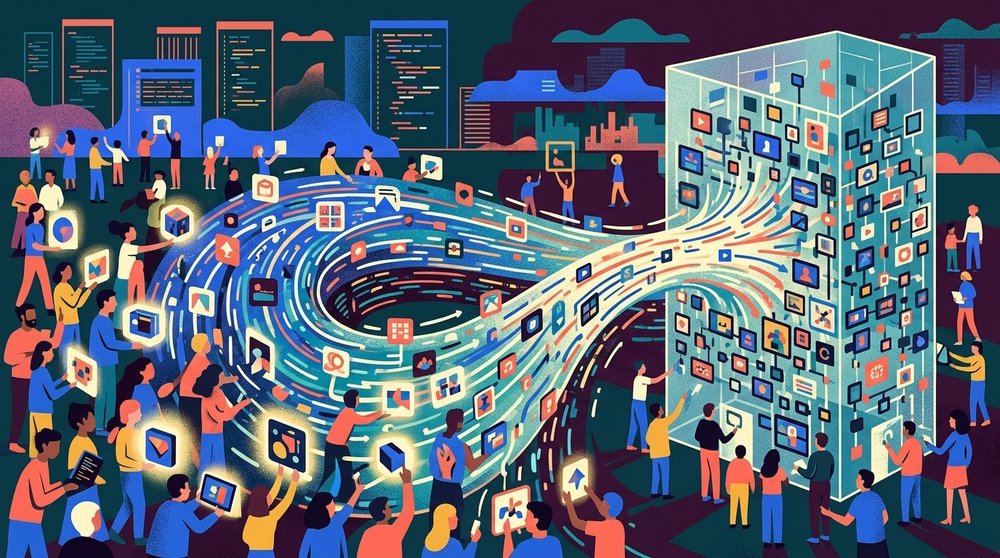
So I think what will happen now is a lot of people without traditional software development backgrounds will surf this wave. They will convince their leadership to let them cook, while some old guards will resist and present some complicated barriers in their way.
Eventually everyone will be forced to adopt and AI will find a natural place in the workplace, with new and old staff doing their thing, sometimes leaning toward the old ways, sometimes toward the new.
There will be a huge influx of freelancers using AI to solve niche business problems. Eventually those businesses will want to do more on their own, in-house. Overall there will be many more people involved in software development than ever before. The established industry will continue to hum along, while the new class will create tons more software. No one can consume it all.
And so eventually there will be a YouTube for niche apps. There has to be. We can't have 8,000% more websites serving niche apps, with millions of creators marketing themselves on Reddit or X and playing the SEO and ad game. That's film festival talk. We're at the DSLR point right now, the gates are wide open, and now we need a new centralized distribution platform for the weekly vibe coded apps we're about to release. Whoever builds this platform will become the YouTube of software.